Source Silicone Rubber Type C Dust Plug for Electronics Vehicles Medical
Find 30 verified listings for silicone rubber type c dust plug designed to protect USB-C ports from dust and debris. Buyers can compare specifications, materials like silicone rubber, and customization options across suppliers in China.
Key considerations
Products List
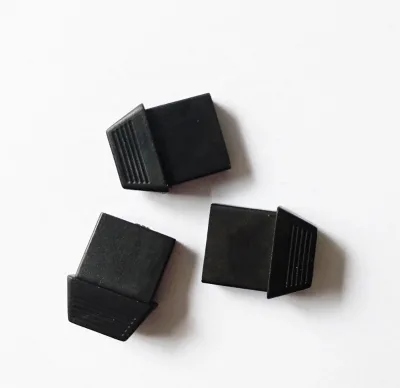


$0.06 - $0.10
Moq: 1000


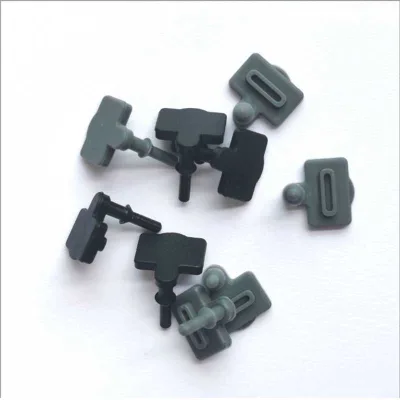
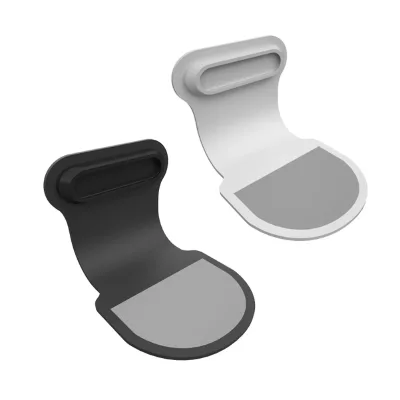
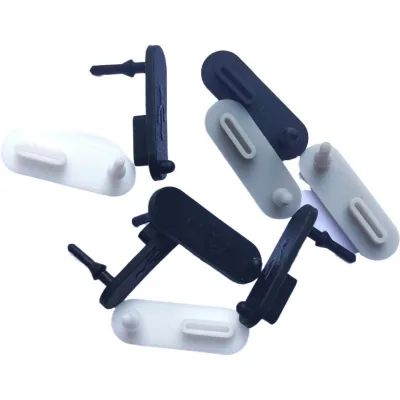
Comprehensive Sourcing Guide
Strategic Sourcing Guide for Silicone Rubber Type C Dust Plugs
Understanding Technical Specifications and Material Composition
When sourcing silicone rubber Type C dust plugs, buyers must first establish a clear understanding of the technical specifications that define product viability. The core material for these components is consistently identified as silicone rubber, though market listings also reference natural rubber and PVC as alternative or supplementary materials. The primary function of these components is to prevent dust, debris, and moisture from entering USB Type-C ports, thereby extending the lifespan of electronic devices. The physical form factor is typically described as a USB Type C shape, often featuring a cross-section that is a rectangle ring, which ensures a snug fit within the port geometry.
The dimensional specifications are critical for compatibility. While some product data indicates a standard size, specific model numbers such as GF-145, Gf-r, GF-USB C, G-109, and G-11 suggest that manufacturers offer variations to suit different device profiles. The single package size for these items is often listed as 5x5x5 cm, with a single gross weight of approximately 0.100 kg. It is important to note that while some listings mention a weight of 0.3g, this likely refers to the net weight of a single unit rather than the packaged weight. Buyers should verify the exact dimensions against the specific device models they intend to protect, as the "Standard" size designation may not cover all niche applications. The color options generally include clear, black, and white, allowing for aesthetic matching with various device casings.
Compliance, Certification, and Regulatory Standards
Navigating the compliance landscape is essential for B2B procurement, particularly when supplying products to regulated industries or regions with strict environmental mandates. The supplied data indicates that high-confidence certifications include ROHS and ISO9001. The ROHS standard is particularly relevant for electronic accessories, ensuring that the silicone rubber and any additives used in the manufacturing process are free from specific hazardous substances. Additionally, the ISO9001 certification points to a supplier's adherence to quality management systems, which is a strong indicator of consistent production processes.
However, the presence of CE certification in the data requires careful verification. While CE is a common mark for products sold in the European Economic Area, buyers should not assume every listed product automatically satisfies this requirement without direct confirmation from the supplier. The data also references "customized" standards, suggesting that some manufacturers may tailor their compliance documentation to specific client needs. For industrial and medical applications, where the product is listed as applicable, verifying that the silicone rubber meets biocompatibility or specific industry-grade standards is crucial. Buyers must request current certification documents rather than relying solely on product descriptions, as standards can change and documentation may be outdated.
Cost Drivers and Pricing Structure Analysis
The pricing structure for silicone rubber Type C dust plugs is influenced by several variables, including material costs, order volume, and customization requirements. The observed price range in the market is between $0.01 and $5.00 USD, with a specific listing noting a price of $0.10 per unit. This wide range suggests that the final cost is highly dependent on the quantity ordered and the complexity of the order. The Minimum Order Quantity (MOQ) is a significant cost driver; while some listings indicate an MOQ of 1,000 pieces, the observed range extends up to 10,000 pieces.
Buyers should anticipate that unit costs will decrease as order volumes increase, a standard economic principle in manufacturing. However, the presence of an MOQ of 1,000 pieces for specific models like the ABS Type A USB Dust Cover indicates that small-batch orders may incur higher per-unit costs or may not be feasible for certain suppliers. Customization is a key factor in pricing; while customization is available, requests for specific colors, shapes, or branding will likely increase the unit price and potentially the lead time. Payment terms are typically structured as T/T (Telegraphic Transfer), which is standard for international trade but requires buyers to manage cash flow and risk appropriately. Understanding these cost drivers allows procurement teams to negotiate more effectively and align their purchasing strategy with their budget constraints.
Typical Applications and Industry Use Cases
Silicone rubber Type C dust plugs serve a diverse range of applications across multiple industries. The primary use case is in the electronic sector, where they protect smartphones, tablets, and laptops from environmental contaminants. The data explicitly lists applicability to iPhone, Android, and Sony devices, highlighting their role in consumer electronics maintenance. Beyond consumer electronics, these components are utilized in the vehicle industry, where they protect charging ports in electric vehicles and automotive infotainment systems from dust, water, and road debris.
The industrial and agricultural sectors also represent significant application areas. In machinery and industrial components, dust plugs prevent particulate matter from entering sensitive ports, which can cause short circuits or mechanical failure. The medical field is another critical application, where hygiene and sterility are paramount; silicone rubber is preferred here due to its resistance to chemicals and ease of cleaning. The product's versatility is further evidenced by its listing for household use, suggesting utility in home appliances and smart home devices. When sourcing for these varied applications, buyers must ensure that the material properties of the silicone rubber align with the specific environmental conditions of the target industry, such as temperature resistance in vehicles or chemical resistance in industrial settings.
Supplier Evaluation and Geographic Considerations
Evaluating suppliers requires a focus on their location, production capabilities, and logistical reliability. The primary place of origin for these products is Shandong, China, with specific mentions of Qingdao as a manufacturing hub. This region is known for its robust manufacturing infrastructure and experience in producing rubber and plastic components. The processing service listed is "Moulding," which is the standard method for creating the precise shapes required for dust plugs. Buyers should verify that the supplier has the necessary molding equipment to produce the specific model numbers and cross-section shapes required for their application.
Supplier evaluation should also consider the packaging and shipping logistics. The data indicates that products are packed in cartons, with shipping options available via sea or air. The standard packing dimensions are listed as 50x35x30 cm, which is useful for calculating shipping costs and storage requirements. When selecting a supplier, buyers should assess their ability to handle customized packaging, as this is listed as an available option. Furthermore, the availability of samples is a critical factor in the evaluation process; suppliers that offer samples allow buyers to physically inspect the product quality before committing to a large order. It is advisable to check the supplier's track record for meeting lead times and their responsiveness to quality inquiries, as these factors directly impact the supply chain's reliability.
Quality Control and Long-Term Procurement Strategies
Implementing a robust quality control (QC) strategy is vital for ensuring the long-term success of sourcing silicone rubber Type C dust plugs. Given the critical function of these components in protecting electronic devices, even minor defects can lead to significant failures. Buyers should establish clear acceptance criteria based on the observed specifications, such as the cross-section shape, color consistency, and material integrity. The "Degree of Innovation" noted in some product listings suggests that suppliers may offer advanced designs, but these claims must be validated through physical testing.
For long-term procurement, buyers should consider the scalability of their supplier relationships. The availability of customization allows for product evolution as device designs change, but this requires a supplier capable of rapid tooling adjustments. Establishing a partnership with a supplier who holds valid ISO9001 certification can provide a baseline for quality assurance. Additionally, buyers should plan for the total cost of ownership, which includes not just the unit price but also the costs associated with logistics, inventory management, and potential returns. Regular audits of the supplier's production line and quality control processes can help mitigate risks. Finally, maintaining open communication regarding changes in standards or regulations ensures that the sourced components remain compliant and suitable for their intended applications over time.
Comparative Analysis of Product Variants
To assist buyers in making informed decisions, the following table compares key attributes of the observed product variants based on the supplied data. This comparison highlights the differences in model numbers, materials, and specifications that may influence procurement choices.
| Attribute | Variant A (Model A1) | Variant B (Model GF-145) | Variant C (Model GF-USB C) | Variant D (Model G-109) |
|---|---|---|---|---|
| Product Name | ABS Type A usb Dust Cover | Generic Silicone Plug | USB Type C Dust Plug | Generic Component |
| Material | Silicone, Nature Rubber, PVC | Silicone Rubber | Silicone Rubber | Silicone Rubber |
| Shape | USB Type C | USB Type C | USB Type C | Rectangle Ring |
| Color Options | Clear, Black, White | Black, White, Clear | Black/White/Clear | Not Specified |
| Certification | ROHS, ISO9001 | ISO9001 | RoHS | ISO 9001 |
| Origin | Shandong, China | China | Qingdao, Shandong, China | China |
| MOQ | 1000 pcs | Not Specified | Not Specified | Not Specified |
| Application | Electronic, Vehicle, Industrial | Vehicle, Electronic, Medical | Vehicle, Electronic, Industrial | Machinery, Industrial |
This table illustrates that while the core function remains consistent, the specific model numbers and material compositions vary. Buyers should use this data to align their procurement needs with the specific capabilities of the supplier. For instance, if medical compliance is a priority, verifying the specific material grade and certification for each variant is essential. Similarly, if the application involves high-volume automotive production, the MOQ and lead time associated with each model must be carefully evaluated. By systematically comparing these attributes, buyers can optimize their sourcing strategy to meet both technical and commercial requirements.
FAQs
What materials are used for silicone rubber type c dust plugs?
Silicone rubber is the primary material, though natural rubber and PVC are also listed options. These components are designed to prevent dust from entering USB ports while offering flexibility and durability for various electronic applications.
Which certifications do silicone rubber type c dust plugs typically hold?
High-confidence certifications include ROHS and ISO9001, ensuring compliance with environmental and quality standards. Some listings also reference CE certification, but buyers should verify current documentation for specific orders to ensure regulatory adherence.
How does the MOQ affect the pricing of silicone rubber type c dust plugs?
The minimum order quantity is often 1000 pieces, which influences the unit cost structure. Prices range from 0.01 to 5 USD, with specific listings showing 0.1 USD per unit, suggesting volume discounts apply as order sizes increase beyond the baseline.
Can buyers request customization for silicone rubber type c dust plugs?
Yes, customization is available for colors, shapes, and branding to match specific device requirements. Buyers can choose from clear, black, or white options, and suppliers offer tailored packaging and specifications to meet unique industrial or consumer needs.
Where are silicone rubber type c dust plugs manufactured?
The primary place of origin is Shandong, China, with Qingdao frequently cited as a manufacturing hub. Suppliers in this region utilize molding processes to produce the components, ensuring consistent quality for export to global markets.
What is the single package size for silicone rubber type c dust plugs?
The single package size is typically 5x5x5 cm with a gross weight of 0.100 kg. This compact packaging facilitates efficient shipping via sea or air, often contained within larger cartons measuring 50x35x30 cm for bulk transport.